
Follow Me On Social Media!

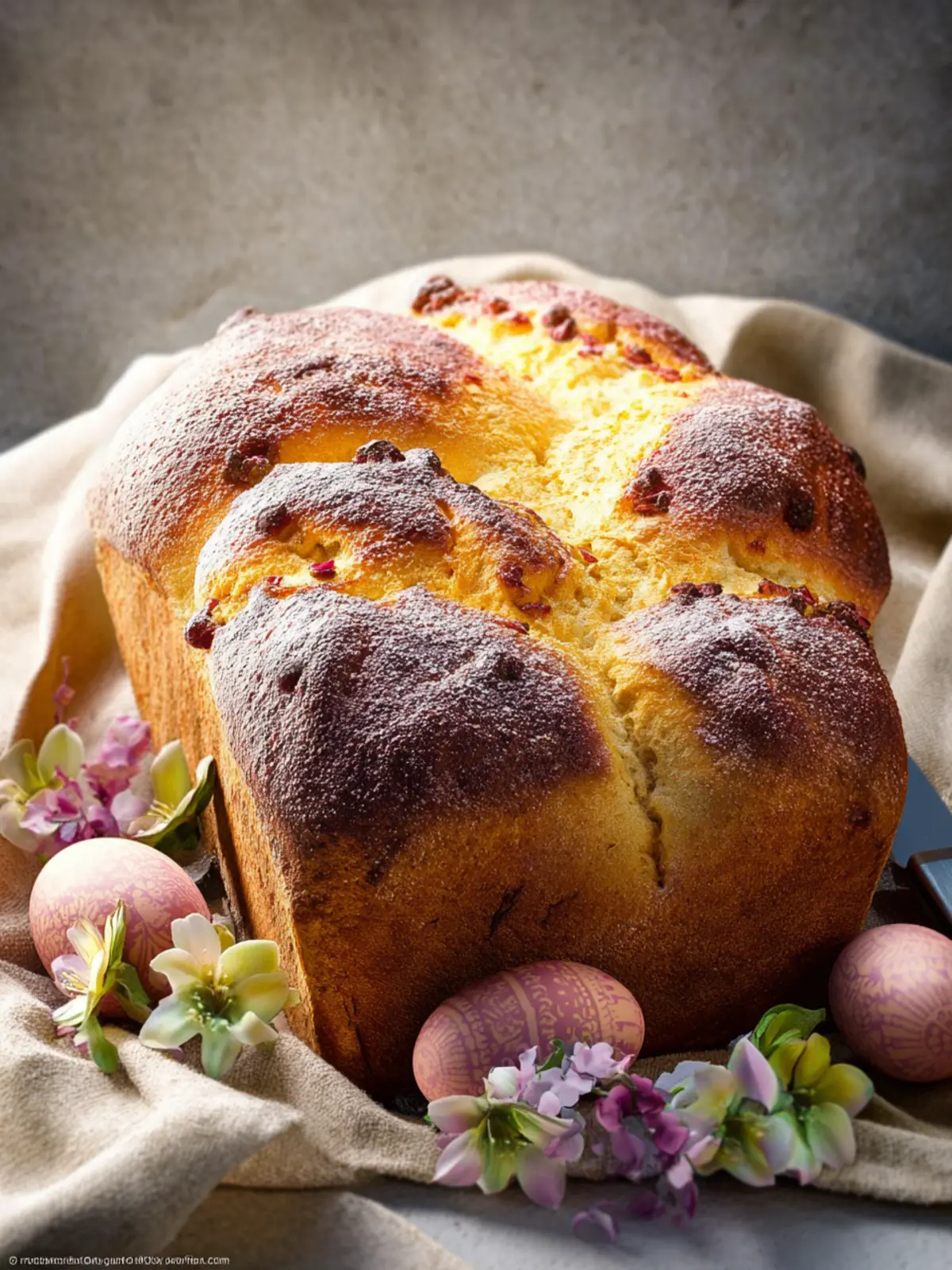
Easter Bread Bliss: Easy Recipe for a Sweet Family Tradition

Introduction to Easter Bread
Easter Bread embodies more than just a delicious treat; it’s a beautiful culinary tradition that brings families together, especially during the festive spring season. Rooted in various cultural customs, this sweet, braided bread is a symbolic representation of rebirth and hope, making it a delightful centerpiece for any Easter celebration. Many families have their own unique recipes passed down through generations, often infused with rich flavors and personal touches that resonate with cherished memories.
What’s the story behind Easter Bread?
The origins of Easter Bread can largely be traced back to ancient customs, where bread served as a dietary staple and spiritual symbol. In many cultures across Europe, bread-making was an integral part of Easter celebrations. For instance, in Greece, the traditional Tsoureki is often served during Easter feasts, flavored with aromatic spices like mahleb and mastic. Similarly, Italian families celebrate with Pasca, a rich, sweet bread adorned with colorful eggs symbolizing new life.
Over time, these recipes have evolved, yet the essence remains—the idea that Easter Bread is a vessel of joy and togetherness. Sharing this bread, whether it’s braided or round, has become a heartwarming ritual at the holiday table.
As young professionals, embracing such traditions allows us to connect with our cultural roots while creating memorable experiences with friends and family. Consider inviting loved ones to join you in baking this seasonal delight. It’s not just about the final product; it’s about the laughter and chatter that fill the kitchen as you knead the dough and shape it into beautiful loaves.
In the following sections, we’ll delve into the key ingredients and specific instructions to make your own delicious Easter Bread. Let’s bring a touch of warmth, sweetness, and tradition into your home this Easter!

Key Ingredients for Easter Bread
Easter Bread stands out as a delightful tradition that fills homes with warmth and sweet aromas during the spring festivities. The essential ingredients in this recipe contribute unique flavors and textures that create a bread worth celebrating.
-
Flour: All-purpose flour is the backbone of our Easter Bread. It provides the structure needed to create that lovely, soft texture that pairs perfectly with the sweet toppings.
-
Yeast: I use active dry yeast to give this bread its rise. It’s crucial to activate the yeast properly to achieve that fluffy, airy quality we all love.
-
Sugar: A touch of granulated sugar adds sweetness, enhancing the overall flavor without overpowering it. For a little extra richness, you can also add a sprinkle of brown sugar.
-
Eggs: Eggs play a vital role, providing moisture and richness. They not only help bind the ingredients but also give the bread its lovely golden color.
-
Butter: Melted butter enriches the dough, making the Easter Bread taste decadent and soft. It adds a buttery flavor that makes each bite satisfying.
-
Milk: Warm milk helps to activate the yeast and contributes to the overall softness of the bread.
-
Spices and Zest: A hint of lemon zest and a pinch of nutmeg or cinnamon elevate the flavor profile, creating a connection to the flavors of spring.
These ingredients come together to create a beautiful Easter Bread that brings families together, making every slice taste like a moment of celebration.
Why You’ll Love This Easter Bread
Easter Bread has a magical way of wrapping you in the warmth of family traditions and childhood memories. As a kid, Easter morning meant the smell of freshly baked bread wafting through the house. This recipe not only captures that delightful aroma but also brings people together around the table.
-
Flavor Fusion: The blend of sweet citrus and a hint of spice in this Easter Bread creates a tantalizing flavor profile you’ll crave long after the holiday. With every bite, you can savor the balance of sweetness and warmth.
-
A Fun Baking Experience: Kneading the dough is not only therapeutic but also a wonderful opportunity to include loved ones in the process. It’s the perfect way to bond with family or even create new traditions with friends.
-
Visual Delight: The braided loaves are visually stunning, making them a showstopper on any brunch table. Their gorgeous appearance makes them perfect for holiday gifting or festive sharing.
-
Nostalgia in Every Slice: Each piece offers a slice of nostalgia that evokes memories of cherished gatherings and celebrations, making every bite feel like a warm hug.
Easter Bread isn’t just a recipe; it’s an experience that enriches your holiday with taste and togetherness.

Variations on Easter Bread
When it comes to Easter Bread, the possibilities are as varied as the traditions surrounding the holiday itself. This beloved baked good can be adapted in delightful ways to suit your palate or cultural background. Each variation tells a story and connects us with different heritage and memories.
Fruity Twists
Consider adding dried fruits such as cranberries, apricots, or even citrus zest to your Easter Bread. These ingredients not only impart sweetness but also a pop of color, making your bread visually appealing. Did you know that in some cultures, adding candied fruits is a traditional way to symbolize the arrival of spring?
Savory Adjustments
For those who crave a savory touch, incorporating herbs like rosemary or thyme can elevate your Easter Bread to new culinary heights. Imagine a warm loaf paired with a hearty meal or enjoyed on a picnic with your loved ones.
Unique Spices
Don’t shy away from experimenting with spices. A pinch of cardamom or nutmeg can add warmth and depth to your Easter Bread. These spices not only enhance flavor but also invite a sense of nostalgia, reminding us of family gatherings and festive celebrations.
Topping Choices
The toppings can change everything! Try drizzling a simple glaze or sprinkling a mixture of powdered sugar and chopped nuts for a delightful crunch. Incorporating toppings adds an extra layer of flavor and makes the bread visually stunning.
By exploring these variations, you can create your own special Easter Bread that resonates with your personal touch and the memories you want to share.
Cooking Tips and Notes for Easter Bread
Creating Easter Bread is a delightful tradition that can fill your home with warmth and joy during the holiday season. This bread, often adorned with colorful eggs and various toppings, is not just a treat for the taste buds, but also a feast for the eyes. Here are some tips to ensure your experience is as memorable as the bread itself.
Use Quality Ingredients
The success of your Easter Bread highly depends on the ingredients you choose. Opt for fresh yeast rather than dry for a more authentic flavor and a lovely rise. Ensure your eggs are at room temperature for a smoother batter, and choose high-quality flour to improve texture.
Knead with Love
Don’t rush the kneading process! Kneading is essential for developing gluten, which gives your Easter Bread its signature chewy texture. Aim for at least 8-10 minutes of kneading, and don’t hesitate to let your dough rest—it loves a little TLC.
Garnish Creatively
Feel free to get creative with the toppings! While colored eggs are traditional, consider adding nuts, dried fruit, or even a lemon glaze for a zesty touch. The visual appeal of your Easter Bread can make it even more special, perfect for sharing at holiday gatherings.
These tips will elevate your Easter Bread experience, making it a cherished centerpiece for your family celebration.

Serving Suggestions for Easter Bread
Easter Bread is more than just a delightful baked good; it’s a celebration on your table, a testament to spring’s arrival, and a warm invitation to gather with loved ones. Adorned with its glossy crust and infused with aromatic flavors, this bread is versatile enough to be enjoyed in various ways worthy of any Easter feast.
Toast It Up: One of the simplest yet most satisfying ways to enjoy Easter Bread is to toast slices lightly. This crispy option brings out its sweetness and makes the perfect base for toppings like butter or cream cheese.
Pair It with Jam or Honey: Spread a generous layer of your favorite fruit jam or a drizzle of honey on a warm slice. The sweetness complements the soft and fluffy texture wonderfully.
Make a Breakfast Sandwich: Transform leftover slices into a decadent breakfast sandwich. Layer with scrambled eggs, fresh herbs, and a slice of cheese for a delightful morning treat.
Accompany It with Fresh Fruit: Serve this bread alongside a colorful fruit salad. The vibrant flavors of strawberries, blueberries, and oranges create a perfect summer aesthetic at your Easter gathering.
Share a Slice with Coffee or Tea: For a cozy afternoon treat, enjoy a piece of Easter Bread with a cup of coffee or herbal tea. Its aromatic qualities and rich texture pair beautifully with beverages, creating a moment of relaxation amidst the festive bustle.
No matter how you choose to serve it, Easter Bread will surely become a cherished tradition at your gatherings!
Time Breakdown for Easter Bread
Creating a delightful Easter Bread requires a thoughtful approach to timing, ensuring that every moment you spend in the kitchen yields the best results. Here’s a concise breakdown of how to manage your time effectively.
Preparation Time
The preparation phase typically takes about 30 minutes. This includes gathering your ingredients, mixing the dough, and letting it rest. Take your time during this stage; it’s where the magic of flavors begins.
Refrigeration Time
After kneading your dough, a vital step is refrigerating it for 1 to 2 hours. This chilling period improves the texture and flavor of your Easter Bread, allowing it to develop a richer taste.
Baking Time
Finally, the baking time is generally around 30 to 35 minutes. Keep an eye on your bread as it transforms into a beautiful golden loaf, filling your kitchen with a warm, inviting aroma. Enjoy the wonderful anticipation as your Easter Bread comes to life!
Nutritional Facts for Easter Bread
Easter Bread brings warmth and joy to your festive table, but it’s also essential to consider its nutritional aspects. Understanding what goes into your delicious creation can help you enjoy this delightful treat even more. Let’s take a closer look at the nutritional facts that make up this beloved holiday loaf.
Calories
A slice of Easter Bread typically contains around 200 calories. While indulging during the holidays is common, being mindful of portion sizes can help you stay on track with your dietary goals.
Protein
Each slice offers about 4 grams of protein. Though not a primary protein source, this contribution can still add a little boost to your daily intake while you enjoy the flavors of this festive bread.
Sugar
With about 8 grams of sugar per slice, the sweetness of Easter Bread makes it the perfect companion for your coffee or tea. However, if you’re watching your sugar levels, consider enjoying it in moderation.
By being aware of these nutritional facts, you can savor your Easter Bread guilt-free while celebrating this joyful occasion!
FAQs About Easter Bread
Easter Bread is not just a delightful treat; it’s also steeped in tradition, symbolizing renewal and new beginnings. You might have questions swirling in your mind as you prepare this festive loaf, so let’s clear up some common queries.
Can I use different fillings for Easter Bread?
Absolutely! While the classic Easter Bread is often filled with sweet ingredients like chocolate, nuts, or dried fruits, feel free to get creative. Here are some tasty alternatives:
- Fruit preserves or jams: Apricot or raspberry work beautifully.
- Nutella: For a rich, chocolaty twist, Nutella can elevate your bread.
- Spices: Adding spices like cinnamon or nutmeg can infuse a warm flavor profile.
Experimentation with fillings is part of the fun; it’s all about finding what your palate loves best.
How long can I store leftover Easter Bread?
If you’re lucky enough to have leftovers, you can keep your Easter Bread fresh for about 3-5 days at room temperature when wrapped properly. For longer storage, consider freezing it. Just wrap it tightly in plastic wrap and aluminum foil; it can last up to three months in the freezer. Remember to let it thaw in the fridge overnight before enjoying it again.
Can I make this recipe vegan?
Yes, you can! To create a vegan version of your Easter Bread, substitute the following:
- Eggs: Use flaxseed meal or unsweetened applesauce as an egg replacer.
- Milk: Almond milk or oat milk works wonderfully in place of dairy.
- Butter: A plant-based butter or coconut oil can be used for a similar richness.
With these simple swaps, your Easter Bread can be enjoyed by everyone, regardless of dietary preferences.
Conclusion on Easter Bread
In exploring the delightful world of Easter Bread, we celebrate the rich traditions that accompany this cherished recipe. Each loaf tells a story, weaving together flavors that evoke memories of family gatherings and joyful festivities. The stunning braided shape symbolizes unity and togetherness, making it perfect for your holiday table.
Enjoy the process of making your own Easter Bread—from the moment you knead the dough to the fragrant aroma filling your kitchen. Whether you stick to the classic version or add your own twist, this recipe promises to bring warmth and happiness to your loved ones, creating bonds that last beyond the Easter season.
Print
Jam Filled Bread
- Total Time: 2 hours 20 minutes
- Yield: 1 loaf 1x
Description
A delightful jam-filled bread that is great for breakfast or a sweet treat.
Ingredients
Scale
- 1/2 cup warm milk (100–115°F / 38–46°C)
- 1 tsp sugar
- 1 tbsp dry yeast (or 30 g fresh yeast)
- 2 large eggs
- 3/4 cup sugar
- 1/2 cup Greek yogurt
- 50 g unsalted butter (melted)
- 2 tsp vanilla extract
- zest from 1/2 lemon
- 3 to 3 1/2 cups all-purpose flour
- pinch of salt
- 1 egg yolk
- 1 tbsp milk
- 2 tbsp sugar
- 1/2 cup jam (for filling)
Instructions
- In a small bowl, combine warm milk, 1 tsp sugar, and yeast.
- Stir and let sit for 10 minutes, until foamy.
- In a large bowl or stand mixer, beat eggs and sugar for 4–5 minutes until thick and pale.
- Add yogurt and mix until smooth.
- Add the yeast mixture and half of the flour. Mix to combine.
- Add vanilla, lemon zest, and half of the melted butter.
- Switch to a dough hook and begin kneading on low speed.
- Gradually add remaining flour and butter. Knead 4–5 minutes, until dough is soft and slightly sticky.
- Transfer dough to a lightly floured surface and shape into a ball.
- Place in a zip-top bag or covered bowl.
- Refrigerate for at least 2 hours, until doubled.
- Dough can be stored in the fridge overnight or up to 2 days.
- Remove dough from fridge and let sit at room temperature for 30 minutes.
- Divide into 3 equal portions and shape into balls.
- Roll each into a rectangle, spread with jam (optional), and roll into logs.
- Braid the logs and transfer to a prepared loaf pan.
- Cover and let rise for 30–60 minutes, until puffy.
- Preheat oven to 350°F (175°C).
- Mix egg yolk and milk, then brush the top.
- Sprinkle with sugar.
- Bake for 30 minutes, then reduce temperature to 325°F (165°C) and bake another 20–30 minutes.
- If browning too quickly, cover loosely with foil.
- Bake until golden and cooked through. Cool before slicing.
Notes
- This bread can be made in advance and stored in the refrigerator.
- Use any flavor of jam for filling according to your preference.
- Prep Time: 30 minutes
- Cook Time: 50 minutes
- Category: Breads
- Method: bake
- Cuisine: American
Nutrition
- Serving Size: 1 slice
- Calories: 180
- Sugar: 6g
- Sodium: 150mg
- Fat: 5g
- Saturated Fat: 2.5g
- Unsaturated Fat: 2g
- Trans Fat: 0g
- Carbohydrates: 30g
- Fiber: 1g
- Protein: 4g
- Cholesterol: 70mg