Follow Me On Social Media!

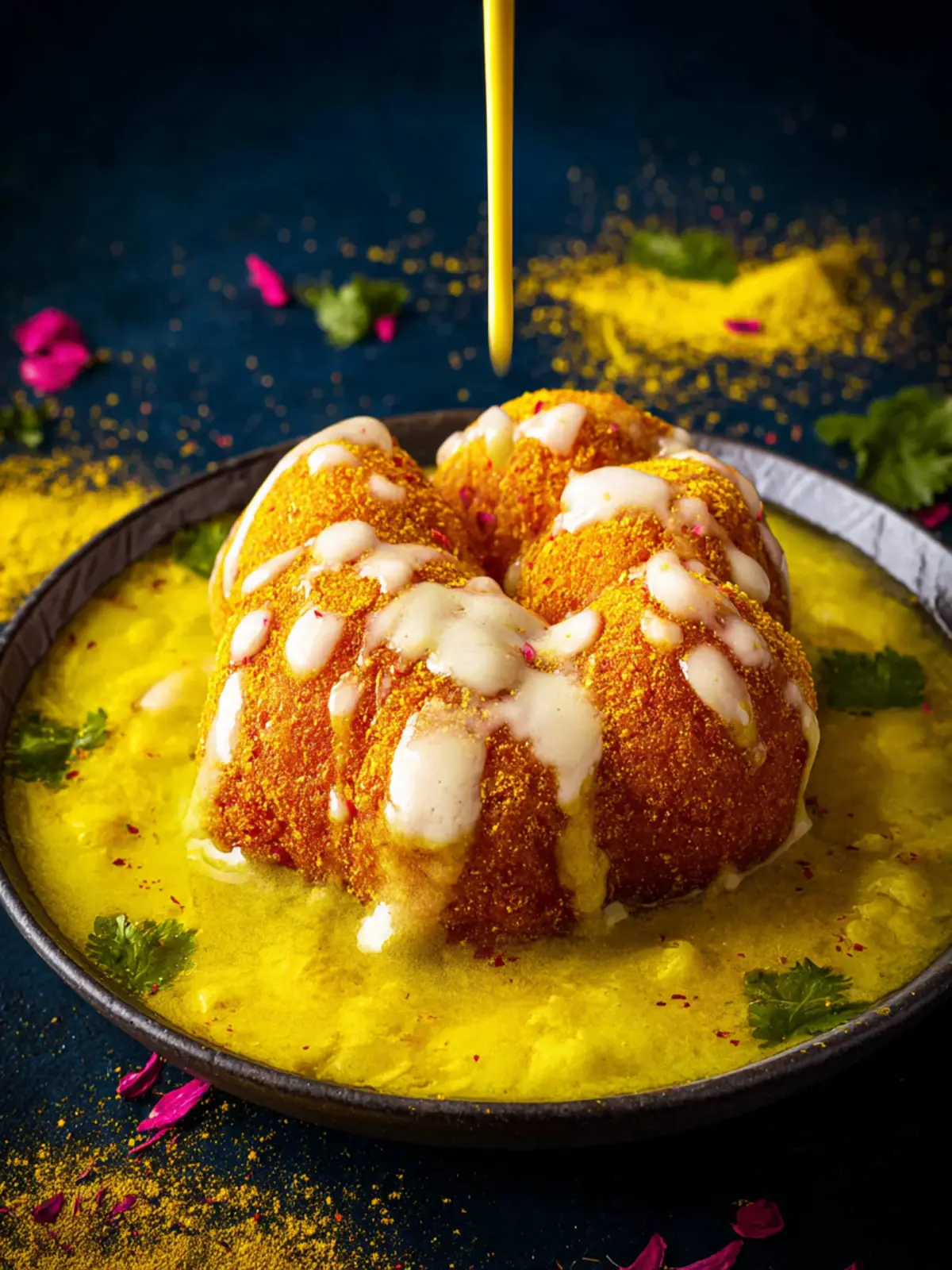
Kanji Vada: The Best Spicy Twist on Comfort Food!

Introduction to Kanji Vada
Immerse yourself in the world of kanji vada, a dish that effortlessly merges tradition with flavor, making it a beloved gem of Indian cuisine. This vibrant dish originates from the state of Rajasthan, especially cherished during the hot summer months. Picture this: a leisurely afternoon where you take a moment to relish every spicy bite. That’s the beauty of kanji vada—it’s not merely food; it’s a delightful experience that invites you to savor life’s simple pleasures.
What makes Kanji Vada a must-try dish?
The allure of kanji vada stems from its unique blend of ingredients that harmonize to create an unforgettable flavor profile. This dish features golden fried lentil balls known as “vada,” submerged in a tangy, zesty buttermilk spiced with a subtle kick. But what makes it irresistible is the contrast of textures: the crispy vada soaked in cool, spicy kanji, a fermented drink made from mustard seeds, ginger, and spices. The fermentation adds a delightful tanginess that refreshes the palate, especially when the sun blazes outside.
-
Nutritional Benefits: One of the highlights of kanji vada is its probiotic-rich nature due to the fermentation process. Probiotics are excellent for gut health, making this dish not only tasty but also beneficial for digestion.
-
Festive Vibe: In India, kanji vada is often a part of celebrations and festivals. It encapsulates the joy of togetherness, where family members gather to share stories over a bowl of these hearty lentil balls. There’s nothing quite like enjoying a plate of kanji vada with loved ones, creating memories that are as flavorful as the dish itself.
-
Versatile Serving: Whether enjoyed as a light snack or a refreshing appetizer, kanji vada fits seamlessly into any meal. You can even get creative by incorporating various toppings like chopped coriander or pomegranate seeds for a burst of color and freshness.
In essence, kanji vada is not just a dish; it’s a celebration of flavors, traditions, and togetherness. Embrace the chance to explore this culinary gem, and let its delightful taste transport you to a sun-soaked afternoon in India.
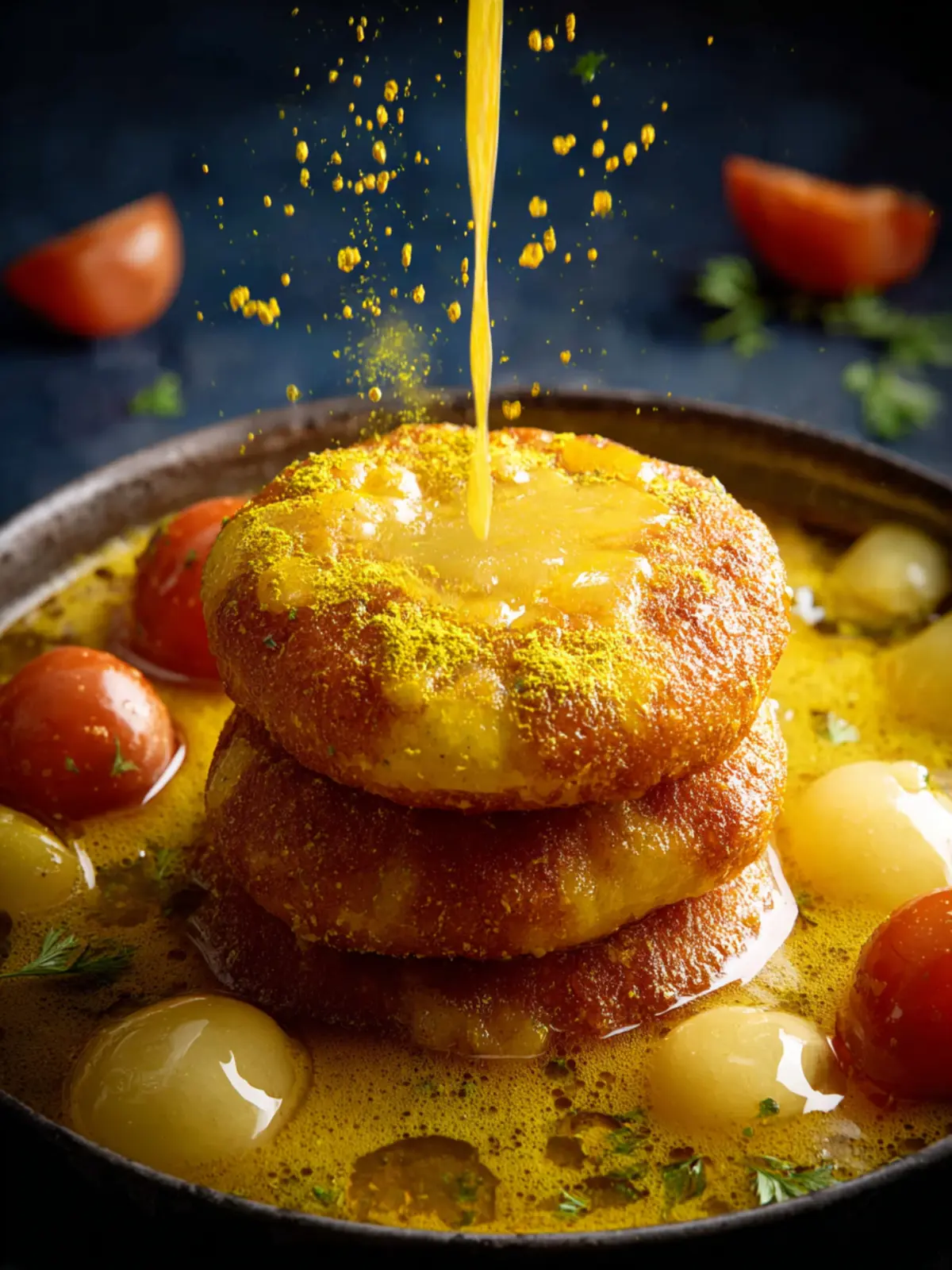
Key Ingredients for Kanji Vada
To craft the perfect kanji vada, you’ll want to select each ingredient with care, as each plays a significant role in creating this flavor-packed dish that dances on your palate.
-
Urad Dal: The star of this dish is urad dal, known for its unique flavor and nutritional benefits. When soaked and blended into a batter, it adds a delightful texture to the vadas. Make sure to soak the dal for at least four hours to achieve that perfect fluffiness.
-
Spices: The vadas are seasoned with green chilies and ginger. These spices not only provide a zing but also elevate the flavor profile, making each bite exciting. Freshly minced ginger adds a fragrant warmth that’s simply irresistible.
-
Salt: A pinch of salt is crucial for enhancing the overall taste of the vadas. It balances the flavors and ensures that every bite is savory.
-
Water: The right amount of water is key to achieving the perfect batter consistency. Too much water will make the vadas soggy, while too little can lead to tough vadas.
-
Mustard Seeds and Curry Leaves: These are typically used in the kanji, which is the spiced yogurt-based broth. They lend an aromatic, savory note, elevating the flavour of your kanji vada.
Each ingredient contributes harmoniously to the dish, creating a delightful culinary experience that’s truly satisfying. Enjoy making your kanji vada with these essential components!
Why You’ll Love Kanji Vada
When you take your first bite of kanji vada, you’re in for a flavorful journey that beautifully marries spice and tang, making every morsel an exciting adventure. This classic dish, often served chilled, has a way of enticing the senses and bringing people together, whether it’s a summer’s day picnic or a cozy family meal.
A Delightful Balance of Flavors
One of the reasons you’ll immediately fall in love with kanji vada is its captivating blend of flavors. The vada, soft and spongy lentil dumplings, soak up the tangy, spiced kanji water, which is made from fermented mustard seeds, creating a refreshing complexity that dances on your taste buds.
- Spicy and Tangy: The kanji water has just the right kick, thanks to its mix of mustard seeds and salted water, making it both exciting and incredibly refreshing.
- Comforting Texture: The vadas are delightfully soft, almost melting in your mouth, soaking up the flavors of the kanji while providing a hearty base that balances the sharpness of the drink.
- Nutritional Benefits: Packed with protein and probiotics, this dish not only tastes divine but is also a great addition to a balanced diet.
Imagine sharing this dish with friends, each bite sparking conversations and laughter. Feeling inspired yet? You’re just a few ingredients away from bringing this delightful experience into your home.
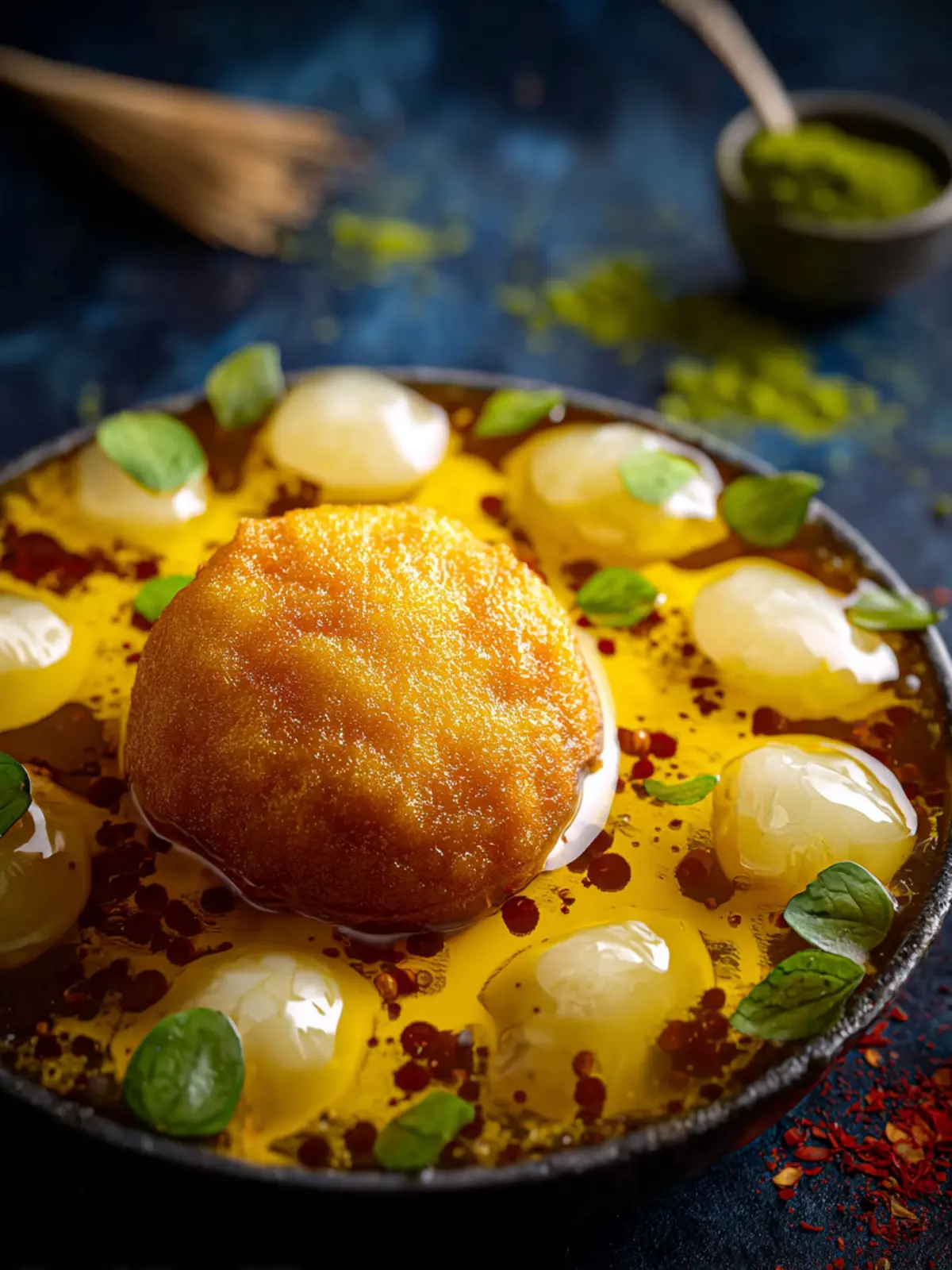
Variations on Kanji Vada
Exploring regional twists and ingredient swaps
The delightful Kanji Vada is a dish that can easily fit into a variety of culinary traditions. Originating from North India, it’s often served as a cooling snack during hot summer months, but there’s so much more to explore! This versatile recipe invites you to play with different flavors and ingredients.
-
Regional Variants: In Rajasthan, you might find a tangier version of Kanji Vada, where the fermented water is spiced with khas khas (poppy seeds) and a dash of jaggery. This adds a beautiful sweetness that complements the spices. Similarly, in Maharashtra, some folks add kokum to the water, giving it a distinct flavor and adding a vivid purple hue.
-
Ingredient Swaps: Want to make it lighter? Consider swapping in besan (gram flour) for the urad dal while preparing the vadas. This will give you a different texture and flavor profile that can surprise your taste buds. If you’re feeling adventurous, try adding grated vegetables like carrots or beetroots into your vada batter for an extra crunch and nutrition boost.
These variations not only provide fresh takes on traditional Kanji Vada but also cater to different dietary preferences and palates. So, whether you stick to the classic recipe or experiment with unique twists, your Kanji Vada is sure to be a hit!
Cooking Tips and Notes for Kanji Vada
Making kanji vada can be a delightful culinary adventure, especially if you want to impress friends and family with this exciting Indian snack. The secret to a successful batch lies in the details of fermentation and frying, which can elevate your dish to new heights.
Best Practices for Fermentation and Frying
-
Fermentation: Achieving the right tanginess in your kanji vada is key. For the best results, allow the mixture to ferment for 6-8 hours in a warm place. If your kitchen is too cool, you can place the mixture in a slightly warmed oven (turned off) or wrap it in a kitchen towel for added warmth. Check for bubbles, which indicate that fermentation is well underway.
-
Temperature: When frying the vadas, ensure the oil is hot enough by testing a small piece; it should sizzle and rise to the surface. Keeping the oil at the right temperature (around 350°F) is crucial for achieving that golden-brown crisp without overcooking.
-
Shape and Size: Wet your hands while shaping the vadas; this prevents sticking and gives you smooth edges. Aim for a uniform size so they cook evenly.
-
Cooling: Once fried, place the kanji vada on paper towels to absorb excess oil. This simple step ensures your vadas remain crispy yet light.
By paying attention to these tips, you’ll not only master the art of making kanji vada but also impress everyone with your newfound culinary expertise. Enjoy the process!
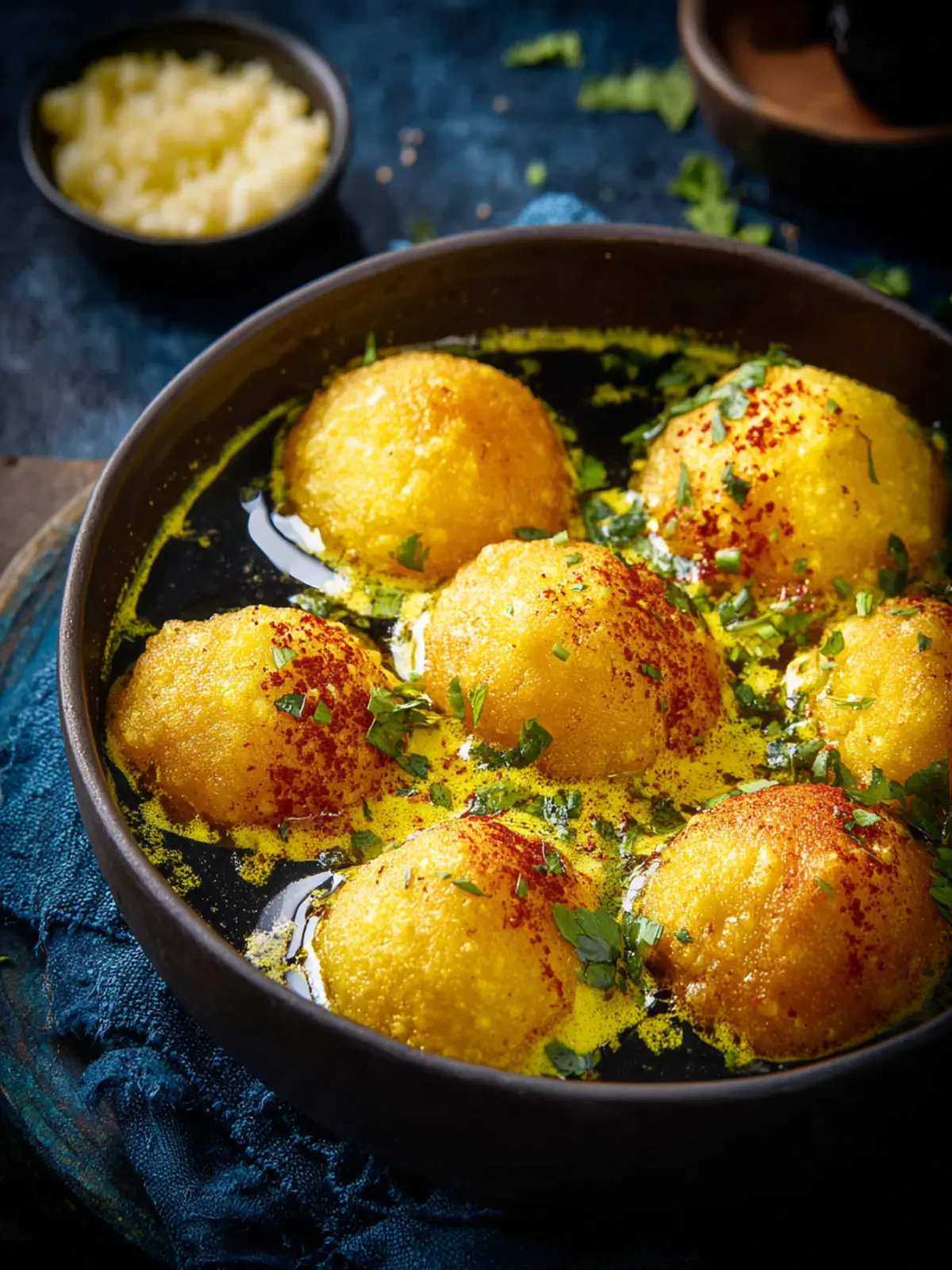
Serving Suggestions for Kanji Vada
Kanji Vada is a beloved dish that carries warmth and tradition in each bite. This flavorful treat not only tantalizes your taste buds but also invites moments of togetherness and joy around the table. Let’s explore how to make your kanji vada experience memorable by pairing it with some delightful accompaniments.
Perfect pairings for a delightful meal
When serving your delicious kanji vada, consider these perfect pairings to create a delightful meal:
-
Mint Chutney: A refreshing dip made from fresh mint and coriander elevates the flavors of your kanji vada. The coolness of the chutney balances the spiciness perfectly.
-
Onion and Tomato Salad: A simple salad of chopped onions and tomatoes, sprinkled with salt and lime juice, adds a crisp texture that complements the soft vadas.
-
Rice or Flatbreads: Serving your kanji vada alongside fluffy rice or warm flatbreads, like chapati or naan, provides a hearty base and makes for a filling meal.
-
Pickles: Adding a side of tangy pickle can enhance the overall flavor with a burst of zest, matching beautifully with the fermented tang of the kanji.
-
Yogurt: A side of plain yogurt acts as a creamy counterpoint to the spices, soothing the palate.
Each pairing contributes its own unique flavors and textures, ensuring that your kanji vada experience is not just a meal but a celebration of taste. Enjoy your culinary adventure!
Time Breakdown for Kanji Vada
Creating the perfect Kanji Vada is not just about the delightful flavors; it requires careful timing to achieve that authentic taste and texture. Here’s a helpful breakdown of the time commitment you’ll need to make this traditional dish.
Key time components of the recipe
-
Preparation time: To get started, set aside about 20-30 minutes. This includes soaking the ingredients, prepping your spices, and making the vadas.
-
Fermentation time: This is the magical part! Allow the vada mixture to ferment for at least 6-8 hours at room temperature. This will enhance the flavors and make the vadas light and airy.
-
Cooking time: Once the fermentation is complete, expect to spend around 25-30 minutes frying the vadas. Each batch takes just a few minutes, so this can go quickly once you get into a groove.
Understanding these time components will help ensure your Kanji Vada turns out delicious and ready to impress!
Nutritional Facts for Kanji Vada
When you indulge in the deliciousness of kanji vada, understanding its nutritional profile can enhance your culinary experience. This comforting dish not only tantalizes your taste buds but also nourishes your body.
Calories
Each serving of kanji vada comes in at approximately 150 calories, making it a light yet satisfying treat for any occasion. It’s a great option for those looking to maintain balance in their diet without sacrificing flavor.
Macronutrients
- Carbohydrates: 25g
These provide the energy boost you need, perfect for keeping you active throughout the day. - Protein: 5g
A beneficial source of protein helps in muscle repair and growth, making it an excellent choice post-workout. - Fats: 4g
The healthy fats present promote heart health and supply essential fatty acids.
With kanji vada, you can enjoy a delicious traditional dish while being mindful of your nutritional intake.
FAQs about Kanji Vada
When it comes to enjoying Kanji Vada, you might have a few questions about how to enhance its flavor, prepare in advance, or store leftovers. Let’s dive into some frequently asked questions to ensure you have the best experience with this delightful dish.
How can I make kanji more flavorful?
To elevate the taste of your kanji, consider these tips:
- Spices: Add a dash of cumin powder or a pinch of black salt for extra depth of flavor. These spices help to balance the tanginess of fermented kanji.
- Vegetables: Enhance with finely chopped cucumbers, carrots, or even diced green chilies. Not only do they add crunch, but they also contribute a refreshing quality.
- Herbs: Fresh cilantro or mint can lend an aromatic touch. Try sprinkling some on top before serving for a beautiful finish.
Can I make vada ahead of time?
Absolutely! You can prepare the vada ahead of time. Simply make your dough and shape the vada, then store them in an airtight container in the refrigerator. You can fry them right before serving, keeping them fresh and crispy.
What are the best ways to store leftover kanji vada?
If you have any kanji vada leftovers, store them separately for the best texture:
- For kanji: Keep it in a sealed container in the fridge for up to three days. Just give it a gentle stir before serving, maybe even with a splash of water if it thickens.
- For vada: Place them in an airtight container and let them cool before sealing to avoid sogginess. They’re best enjoyed within a day, but you can reheat them in the oven for crispiness later on.
Following these tips will ensure your kanji vada remains delightful even after the first serving!
Conclusion on Kanji Vada
In wrapping up our journey into the world of Kanji Vada, it’s clear that this dish is more than just a snack; it’s a delightful blend of culture and flavor that touches every palate. The slightly tangy, fermented kanji pairs perfectly with the crispy, spiced vada, making it a favorite among many, especially during festive occasions. Sharing this with family and friends elevates the experience, turning a simple meal into a memorable gathering. Whether you whip it up for a weekend treat or a special celebration, Kanji Vada is sure to bring smiles all around. So, grab those ingredients and enjoy every moment!
Print
Kanji Vada
- Total Time: 5 days 1.5 hours
- Yield: 4 servings 1x
- Diet: Vegetarian
Description
A traditional Indian dish made with fermented water and lentil vadas.
Ingredients
Scale
- 2 ltr Water
- 4 tsp Salt
- 2 tsp Turmeric Powder
- 1 tsp Red Chilli Powder
- 5 tsp Yellow Mustard (made into a coarse powder)
- 1/2 cup Dhuli Moong Dal
- 1/2 cup Dhuli Urad Dal
- to taste Salt
- 2 tsp Green Chillies (chopped)
- 1 inch Ginger (chopped)
- as required Oil (for frying)
- 1/2 ltr Water
- 1/4 tsp Hing
- 1/2 tsp Salt
Instructions
- Boil the water and let it cool for sometime.
- Add salt, turmeric powder, red chilli powder and mustard powder in the water.
- Transfer the Kanji in a glass jar and cover the mouth of the jar with a muslin cloth.
- Place the jar in the sun for 4-5 days for fermentation.
- Bring the jar back inside at night and put it back again in the morning.
- Shake the jar everyday before keeping it in the sun.
- The Kanji will turn slightly sour once it’s ready to consume.
- Always stir the kanji nicely before serving.
- Wash and soak moong dal and urad dal in water for 5-6 hours.
- Drain the water and add the dal in a grinder along with salt, chilli and ginger.
- Add some water and grind to make a smooth batter.
- The consistency of the batter should be like pakodi batter.
- Whisk the batter well until it is very light and fluffy.
- Heat oil for frying the vada.
- When the oil is hot, drop small vada in hot oil and fry on low heat until browned.
- Remove the vada from oil and keep aside.
- Mix hing and salt in warm water.
- When ready to serve, add vada in warm water and let them soak for 10 minutes.
- Remove the vada from the water and press them to remove any excess water.
- Pour kanji in serving bowls.
- Add vada in the bowl and let them soak the kanji for 4-5 minutes. Serve.
Notes
- Ensure that the kanji is stirred well before serving for the best flavor.
- Store the vadas in an airtight container if not serving immediately.
- Prep Time: 1 hour
- Cook Time: 30 minutes
- Category: Appetizer
- Method: Frying, Fermenting
- Cuisine: Indian
Nutrition
- Serving Size: 1 bowl
- Calories: 200
- Sugar: 0
- Sodium: 500
- Fat: 10
- Saturated Fat: 1
- Unsaturated Fat: 8
- Trans Fat: 0
- Carbohydrates: 30
- Fiber: 5
- Protein: 8
- Cholesterol: 0