
Follow Me On Social Media!

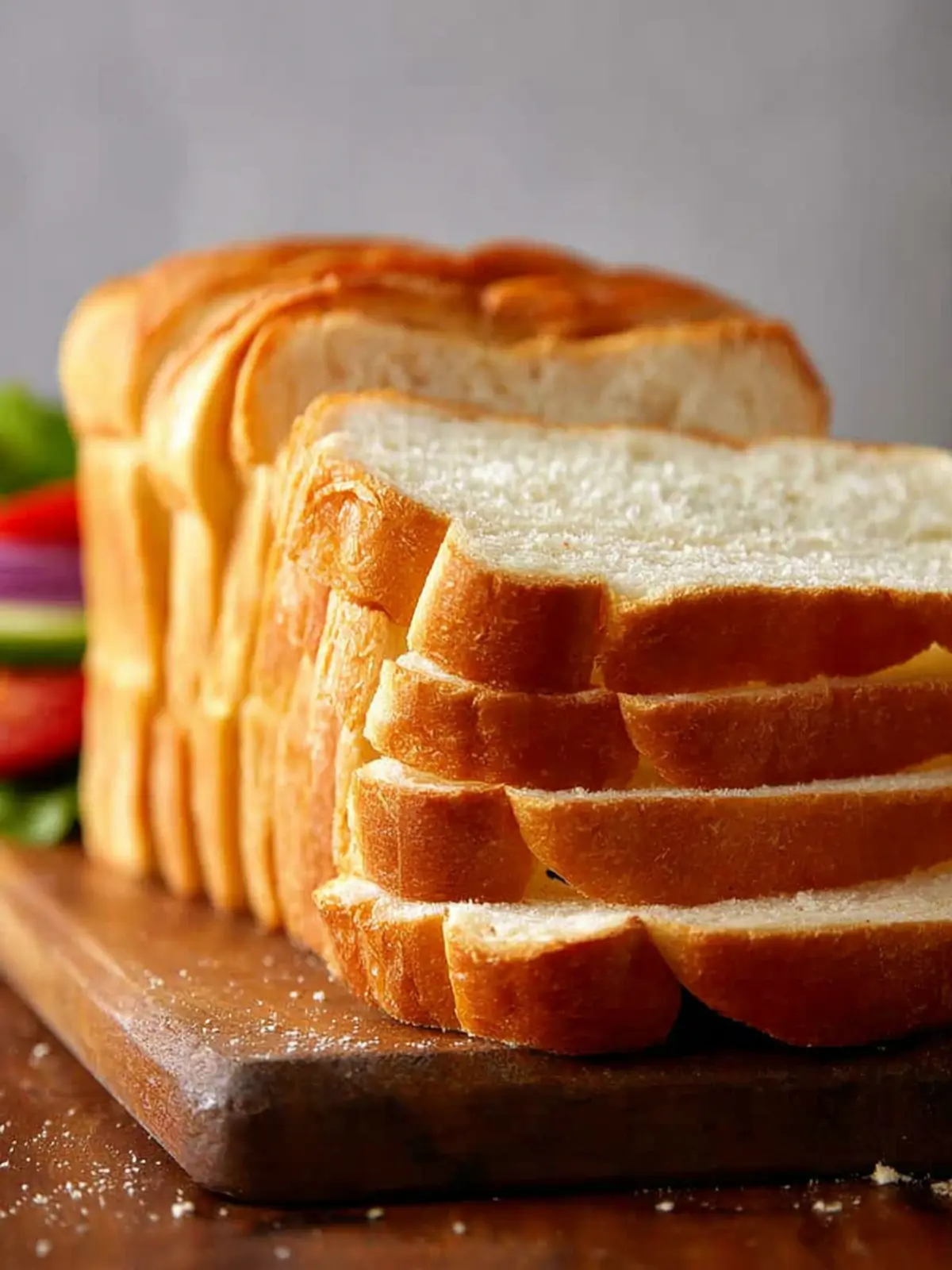
Homemade Sandwich Bread Recipe: The Best Soft & Flavorful Loaf

Introduction to Homemade Sandwich Bread Recipe
Imagine the inviting aroma of freshly baked homemade sandwich bread wafting through your kitchen, its golden crust crackling gently as you slice into it. This isn’t just any bread; it’s a culinary delight that elevates every sandwich, from classic PB&J to decadent club sandwiches. Baking your own bread at home may sound daunting, but it’s an incredibly rewarding experience that allows you to control the ingredients and customize flavors to your liking.
What makes homemade sandwich bread so special?
The beauty of a homemade sandwich bread recipe lies in its simplicity and versatility. With just a handful of ingredients, you can create an endless variety of bread that fits perfectly into any meal. Here are a few reasons why making bread at home is a must-try:
- Freshness: There’s nothing quite like the taste of bread fresh from the oven. You can enjoy it while it’s still warm, which enhances the flavor and texture immeasurably.
- Quality Ingredients: When you make your own bread, you choose what goes into it. No preservatives, no artificial flavors—just wholesome ingredients that you can feel good about.
- Customization: Want to add herbs, seeds, or grains? You have the freedom to experiment and make your bread unique to your family’s tastes.
- Nostalgia and Joy: There’s something profoundly satisfying about kneading dough and watching it rise. It connects us to our past, often reminding us of baking with family or friends.
Homemade sandwich bread opens the door to a wealth of possibilities. Whether you’re slapping together a quick weekday lunch or prepping for a weekend barbecue, this bread is versatile enough to handle sandwiches of all kinds. Plus, it’s a wonderful way to bond with others, providing a chance to share great meals and even better stories around the table. So roll up those sleeves and prepare to fall in love with the magic of baking your own sandwich bread!

Key Ingredients for Homemade Sandwich Bread
Crafting your own homemade sandwich bread is all about choosing the right ingredients, each one playing a vital role in creating that perfect loaf you dream of. Let’s delve into what you’ll need:
Flour
Using high protein bread flour is essential for structure and chewiness. It creates that delightful crust and fluffy interior we all crave. All-purpose flour can work in a pinch, but the results won’t be quite as stellar.
Yeast
Active dry yeast is your best friend for rising. It’s essential for creating airy bread. Remember to activate it in warm water with a bit of sugar; this encourages those tiny bubbles of goodness!
Sugar
A touch of sugar not only adds flavor but also helps activate the yeast. Don’t worry; it won’t make your bread sweet, merely enhancing its overall taste.
Salt
Salt is crucial for flavor and controlling the yeast’s activity. Just the right amount balances the taste, ensuring it’s not too bland or overpowering.
Water
Warm water helps foster fermentation and activate the yeast. Be sure to check the temperature; too hot can kill the yeast, while too cold can hinder the rising process.
These ingredients harmonize beautifully in your homemade sandwich bread recipe, culminating in a loaf that feels like a warm hug with every bite. Happy baking!
Why You’ll Love This Recipe
There’s something undeniably fulfilling about making your own homemade sandwich bread. Imagine waking up to the intoxicating aroma of freshly baked bread wafting through your kitchen; it truly sets the tone for a fantastic day ahead. This recipe not only fills your home with warmth and comfort but also allows you to embrace the art of baking with ease.
Simple and Accessible Ingredients
What makes this homemade sandwich bread recipe so delightful is its uncomplicated list of ingredients. You probably have most of them in your pantry already! With just flour, water, yeast, salt, and a bit of sugar, you’re creating a loaf that’s soft on the inside and crusty on the outside. The beauty lies in the fact that you’re in control of what goes into your bread, steering clear of preservatives and additives commonly found in store-bought options.
Effortless Process
The step-by-step instructions ensure that even novice bakers can successfully produce a loaf that’s perfect for sandwiches, toast, or simply enjoying with butter. Plus, kneading the dough can be a surprisingly therapeutic experience! There’s joy in watching the dough rise, knowing that you’re creating something that’s not only delicious but also made with love.
This homemade sandwich bread recipe invites you to explore your culinary creativity while savouring the rewards of your labor. Whether you’re prepping for a busy week or simply satisfying your cravings, this bread becomes a staple you’ll cherish.
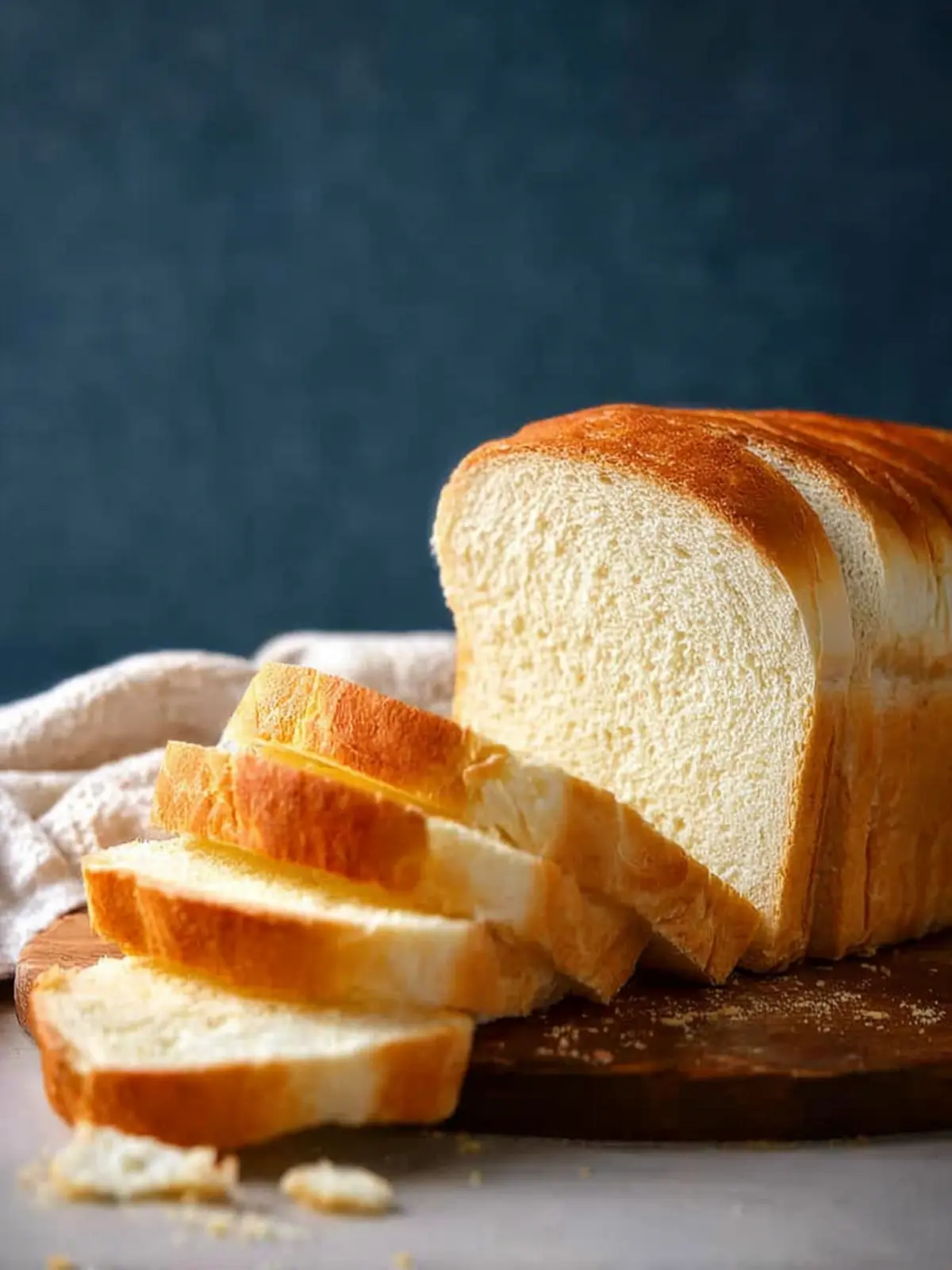
Variations for Your Homemade Sandwich Bread
Exploring variations for your homemade sandwich bread recipe can transform an everyday lunch into something truly delightful. Imagine the aromas wafting through your kitchen as you experiment with new flavors or ingredients. Here are some fun ideas to help you cater to your tastes or impress your friends at the next gathering.
Flavor Additions
- Herbs and Spices: Incorporate herbs like rosemary or basil. A sprinkle of garlic powder can elevate your bread’s taste.
- Seeds: Add a mix of sesame, poppy, or chia seeds for a delightful crunch and a nutritious boost.
- Cheese: Stir in some shredded cheese, such as cheddar or pepper jack, for a savory twist.
Sweet Variants
- Honey or Maple Syrup: Swapping out some sugar for honey or maple syrup gives a subtle sweetness and a hint of depth.
- Fruits and Nuts: Dried fruits like cranberries or raisins combined with nuts can add natural sweetness and texture for a great breakfast or snack option.
Whole Grain Options
To make your homemade sandwich bread recipe even healthier, consider using whole wheat flour or a mix of whole grain flours. This change adds nutrients while still maintaining a soft texture.
Each variation offers a unique taste experience, keeping your homemade bread exciting and versatile whether you enjoy it with a classic sandwich or a gourmet spread. So, roll up your sleeves and get creative in the kitchen!
Cooking Tips and Notes for Homemade Sandwich Bread
Creating your own homemade sandwich bread can be a game-changer for your lunch routine. Imagine biting into a soft, fluffy slice that perfectly complements your favorite fillings—it’s a little touch of comfort that makes even the most basic sandwich feel special. Here are some essential tips to ensure your bread turns out perfect every time.
Choosing the Right Flour
The type of flour you select can significantly impact the texture of your bread. All-purpose flour is a popular choice, but using bread flour can elevate your loaf with more structure and chewiness due to its higher protein content. If you’re aiming for a lighter bread, opt for unbleached flour, which contributes to a better rise.
Perfecting Your Yeast Activation
Make sure your yeast is fresh and active! To test this, dissolve it in warm water with a pinch of sugar. If it bubbles up after a few minutes, you’re good to go! This step ensures your bread rises beautifully, making for airy slices that are irresistible.
Kneading for the Right Texture
Kneading is key in developing gluten, which gives structure to your homemade sandwich bread. Aim for around 10 minutes of kneading until the dough is smooth and elastic. Don’t rush this step; it pays off in the end!
Letting It Rise
Patience is a virtue! Allow your dough to rise in a warm, draft-free area until it has doubled in size. This can take about an hour but is crucial for achieving that light texture that everyone loves in sandwich bread.
By following these straightforward tips, you’re on your way to mastering the homemade sandwich bread recipe, and elevating your meals to a whole new level. Enjoy the process, and don’t forget to taste along the way!
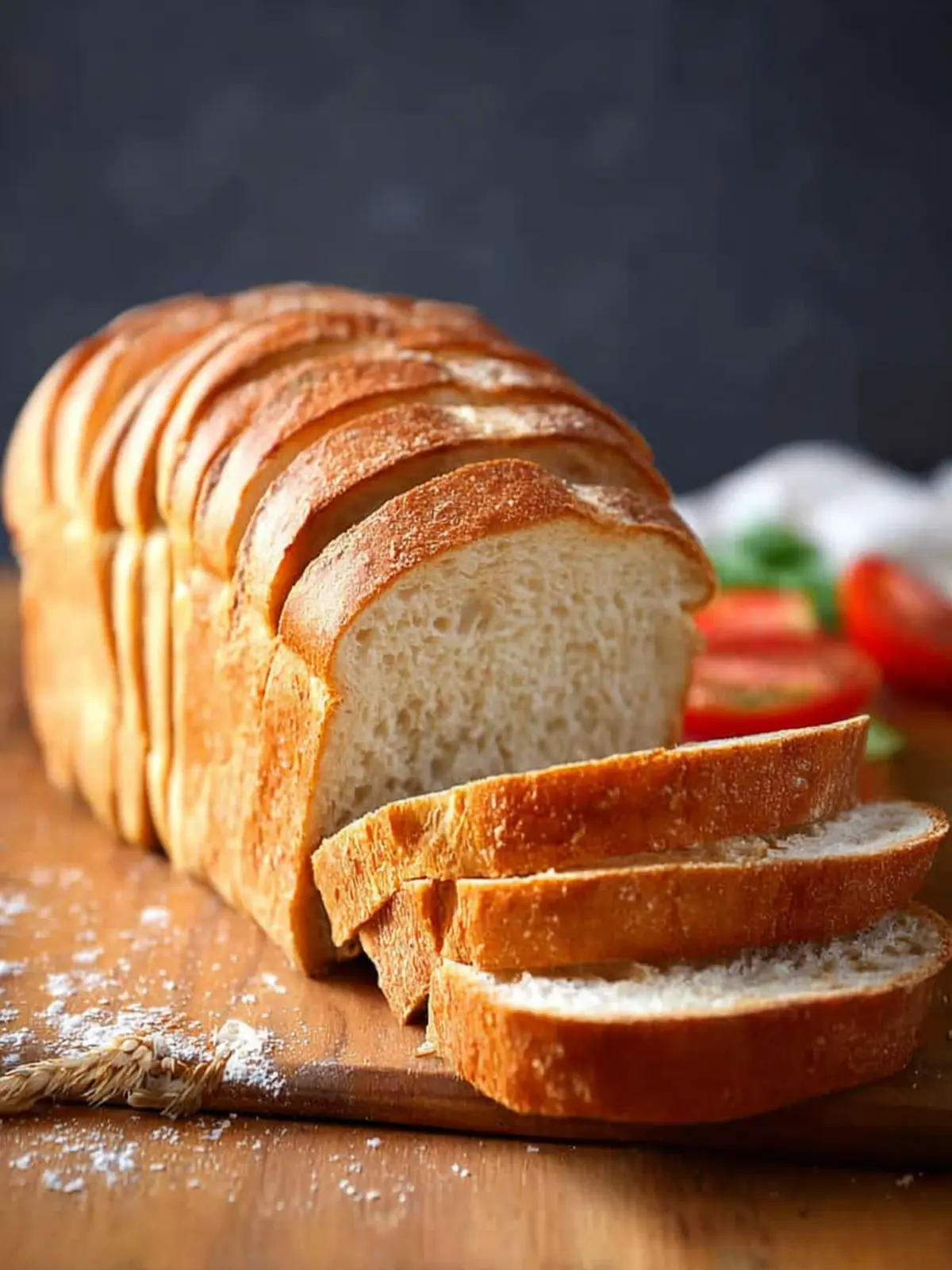
Serving Suggestions for Homemade Sandwich Bread
The aroma of freshly baked homemade sandwich bread wafting through your kitchen can transform a simple meal into something extraordinary. Whether you’re preparing a family lunch or hosting friends for brunch, there are countless delicious ways to enjoy this versatile bread.
Classic Sandwiches
A fantastic use for your homemade sandwich bread recipe is creating classic sandwiches. Layer up deli meats, cheeses, and your favorite toppings like lettuce, tomato, or pickles. For a twist, try a grilled cheese or a club sandwich—each bite delivers mouthwatering comfort.
Toasted Variations
Consider toast for breakfast or a quick snack. Spread avocado on toasted slices, add a sprinkle of salt and pepper, or even top with a poached egg for a delightful, nutritious option. Making garlic toast by spreading butter and minced garlic on grilled slices is another crowd-pleaser.
Creative Sliders
Looking for a fun appetizer? Cut your bread into small squares for sliders. Fill them with pulled pork, chicken salad, or even veggie patties. It’s a delightful way to use up leftover bread and impress your guests.
Bread Pudding Delight
Lastly, if you have extra slices lying around, why not whip up a classic bread pudding? This is a nostalgic dessert that’s both comforting and sweet—perfect for showcasing the taste of your homemade sandwich bread.
Experiment and enjoy these serving suggestions to make the most of your delightful creation!
Time Breakdown for Homemade Sandwich Bread
Making homemade sandwich bread might seem like a time-consuming task, but each step sets the stage for that warm, fresh loaf we all love. Here’s what you can expect in terms of time:
Preparation time
Getting your ingredients together takes about 15 minutes. This involves measuring out flour, water, yeast, and salt, as well as mixing them into a dough.
Rising time
The dough needs to rise for approximately 1 to 1.5 hours. During this time, it will double in size, which is essential for a fluffy texture.
Baking time
Once shaped, the dough bakes for about 30-35 minutes in the oven, filling your kitchen with enticing aromas.
Total time
From start to finish, you’re looking at around 2 to 2.5 hours. But remember, most of that time is hands-off—perfect for catching up on your favorite series or prepping fillings for those sandwiches!
Nutritional Facts for Homemade Sandwich Bread
When you’re relishing a slice of homemade sandwich bread, you might be curious about what you’re actually devouring. Here’s a friendly breakdown of the essentials:
Calories
A standard slice of homemade sandwich bread typically contains about 80-100 calories, making it a wholesome choice for your meals and snacks.
Carbohydrates
Each slice packs around 15 grams of carbohydrates, primarily from whole grains, providing you with an excellent source of energy to fuel your day.
Protein
You can expect around 3 grams of protein per slice, which is beneficial for building and repairing your muscles, especially after an active day.
Fat
Homemade sandwich bread contains about 1-2 grams of fat per slice. This minimal amount helps to keep the bread light while ensuring it remains satisfying and delicious.
Understanding these nutritional facts allows you to enjoy your homemade sandwich bread with confidence, knowing it brightens up your meals without compromising your health goals.
FAQs about Homemade Sandwich Bread
Baking your own homemade sandwich bread not only fills your kitchen with mouthwatering aromas but also allows you to create bread that suits your taste perfectly. However, as a novice baker, you might have some questions about the process. Here’s a guide to help ease your baking journey!
How do I know when my bread is done baking?
A perfectly baked loaf will have a golden-brown crust and should sound hollow when tapped on the bottom. To be sure, invest in a kitchen thermometer: your bread should reach an internal temperature of about 190°F (88°C). If you miss that by a few degrees, don’t worry—it’ll still make delicious sandwiches!
Can I freeze homemade sandwich bread?
Absolutely! Homemade sandwich bread freezes beautifully. Allow your loaf to cool completely, then wrap it tightly in plastic wrap or aluminum foil, followed by a freezer-safe bag. It can last up to three months in the freezer. When you’re ready, just thaw it at room temperature or pop slices directly into the toaster.
What can I add to customize my sandwich bread?
Customization is one of the best parts of baking your own bread! Feel free to experiment with:
- Seeds, such as sesame or poppy, mixed into the dough.
- Whole grains or oats for added texture and nutrition.
- Herbs like rosemary or thyme for a fragrant twist.
- Cheese or spices for unique flavor profiles.
How do I store homemade sandwich bread to keep it fresh?
To keep your homemade sandwich bread fresh, store it in a cool, dry place, ideally in a bread box or an airtight container. Avoid the fridge as it tends to dry bread out faster. If you notice the crust softening after a few days, wrapping it in a clean kitchen towel can help maintain the crust’s crunch while keeping the inside soft.
Conclusion on Homemade Sandwich Bread Recipe
Creating your own homemade sandwich bread is not just a delightful kitchen project; it brings warmth, freshness, and a delicious aroma to your home. The joy of slicing into a soft, fluffy loaf you made from scratch is unmatched. Each bite carries a sense of accomplishment and the flavor of wholesome ingredients. Whether you’re packing lunches for busy weekdays or enjoying a leisurely weekend breakfast, your homemade bread will elevate any meal. Don’t hesitate to experiment with add-ins like seeds or herbs. Consider this recipe the foundation of your baking journey, and let each loaf bring you closer to the art of bread-making.
Print
Homemade Bread
- Total Time: 1 hour 45 minutes
- Yield: 2 loaves 1x
- Diet: Vegetarian
Description
Delicious homemade bread that is soft and fluffy.
Ingredients
Scale
- 2 cups (480 ml) warm water (110 degrees F/45 degrees C)
- 1/4 cup (50 g) white sugar
- 1 1/2 tablespoons active dry yeast
- 1 1/2 teaspoons salt
- 1/4 cup (60 ml) vegetable oil
- 6 cups (720 g) bread flour
Instructions
- In the bowl of your stand mixer with a paddle attachment, dissolve the sugar in warm water, and then stir in yeast. Allow to proof until yeast is bubbling and foamy.
- Stir in the vegetable oil, flour, and salt until a sticky dough forms.
- Switching to your dough hook attachment, knead dough (start out with the mixer on low until the flour has been incorporated then increase speed to medium) until smooth and the dough comes away from the bowl, about 6-8 minutes until a smooth, slightly sticky dough forms.
- Spray the top of the dough with cooking spray and turn over the dough. Cover with a damp cloth. Allow to rise until doubled in bulk, about 1 hour.
- Punch dough down. Remove the dough from the bowl and place onto a lightly floured counter. Divide in half. Shape into loaves by flattening each piece into a rectangle (about the width of your loaf pan) and then roll into a log. Tuck the ends under and place into two well oiled 9×5 inch loaf pans, seam side down. Allow to rise for 45 minutes (to 1 hour depending on kitchen temperature) until dough should bounce back when touched, and be slightly higher than the pan (about 1 inch higher).
- Near end of the rising time, preheat the oven to 350°F.
- Bake at 350°F (175°C) for 30 minutes until golden brown on top and internal temperature reads 190°F. Remove from the oven and cool in the pan for 10 minutes, then remove from the pan and cool completely on a wire cooling rack.
Notes
- Ensure the water temperature is accurate for yeast activation.
- Feel free to add herbs or spices to enhance flavor.
- Prep Time: 15 minutes
- Cook Time: 30 minutes
- Category: Breads
- Method: Baking
- Cuisine: American
Nutrition
- Serving Size: 1 slice
- Calories: 140
- Sugar: 1g
- Sodium: 144mg
- Fat: 3g
- Saturated Fat: 0.5g
- Unsaturated Fat: 2g
- Trans Fat: 0g
- Carbohydrates: 26g
- Fiber: 1g
- Protein: 4g
- Cholesterol: 0mg